In many industries,
spare parts play a crucial role in keeping machinery, vehicles, and production systems running efficiently. While many businesses focus on purchasing new components when equipment breaks down, there is often significant value hidden in older machinery and outdated systems. Across manufacturing, agriculture, construction, transportation, and industrial production, old equipment can contain highly useful technology and components that remain functional for years after the original machine has been retired.
As supply chains continue to face challenges and sustainability becomes increasingly important, more companies are looking at old machinery as a valuable source of spare parts rather than simply viewing it as scrap. This approach can reduce costs, minimize downtime, and extend the lifespan of critical equipment.
Why Spare Parts Are Essential for Equipment Maintenance
Every machine experiences wear and tear over time. Bearings, motors, hydraulic systems, electrical components, gears, sensors, and control units all have a limited lifespan. When one of these components fails, having access to spare parts can make the difference between a quick repair and costly downtime.
For businesses that rely on machinery to maintain productivity, waiting weeks or months for replacement parts can have serious consequences. Production delays, missed deadlines, and reduced efficiency can quickly become expensive.
This is why many organizations actively search for spare parts from multiple sources, including used equipment, surplus inventory, and retired machinery that still contains valuable components.
Finding Spare Parts in Older Machines
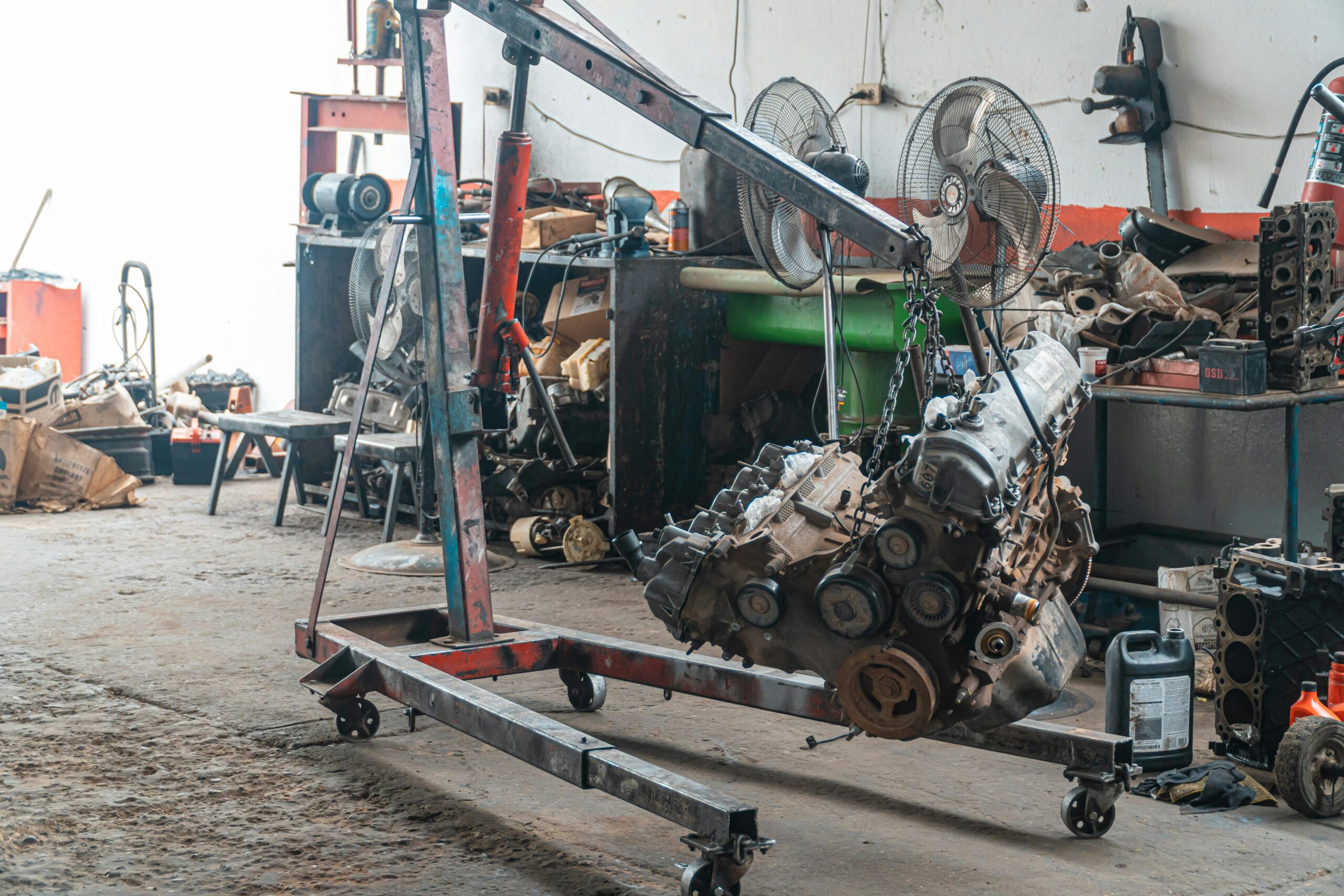
One of the most overlooked sources of spare parts is old equipment that is no longer in active use. Many machines are retired not because every component has failed, but because one major system becomes outdated or replacement costs become too high.
However, inside these machines, there are often many perfectly functional components that can be reused elsewhere. Electric motors, pumps, hydraulic cylinders, switches, wiring harnesses, control panels, and mechanical assemblies may still have years of operational life remaining.
By carefully dismantling old equipment, companies can recover spare parts that would otherwise be discarded, creating both financial and environmental benefits.
Industrial Spare Parts Hidden in Legacy Technology
Many older industrial systems contain durable engineering that was built to last for decades. In some cases, the components found inside older machinery may even be more robust than modern equivalents.
Industrial spare parts recovered from older equipment often include heavy-duty steel components, precision-machined gears, industrial-grade motors, and control systems that continue to function reliably despite their age.
Because many manufacturers discontinue older product lines, finding replacement components for legacy machinery can be difficult. In these situations, salvaging spare parts from retired equipment becomes one of the most effective ways to keep essential systems operational.
How Spare Parts Support Sustainable Business Practices
Sustainability is becoming a major priority for businesses around the world. Reusing spare parts from existing equipment aligns with the principles of a circular economy, where materials and resources remain in use for as long as possible.
Instead of disposing of entire machines, companies can recover useful components and give them a second life. This reduces waste, lowers demand for new manufacturing, and minimizes the environmental impact associated with producing replacement parts.
Many organizations now include spare parts recovery programs as part of their sustainability initiatives, recognizing both the environmental and economic advantages of component reuse.
Valuable Electronics Found Through Spare Parts Recovery
Modern and older machines alike contain electronic systems that can often be reused. Controllers, circuit boards, sensors, displays, relays, power supplies, and communication modules frequently remain operational even after a machine is no longer functional as a whole.
Spare parts recovered from industrial electronics can be particularly valuable because replacement components are often expensive or difficult to source. Older programmable logic controllers (PLCs), industrial computers, and automation systems may still be used in active production environments where upgrading an entire system is not practical.
Recovering these components can save businesses significant amounts of money while reducing downtime during repairs.
Agricultural Spare Parts from Retired Equipment
Agriculture is another sector where spare parts play an important role. Farmers often operate machinery for decades, and some equipment remains in service long after manufacturers have stopped producing replacement components.
Old tractors, harvesters, irrigation systems, and agricultural implements can provide a valuable source of spare parts. Engines, hydraulic systems, transmissions, and structural components can often be refurbished and reused.
For agricultural operations working within tight budgets, recovering spare parts from older machinery can provide an affordable solution for maintaining equipment reliability.
Why Spare Parts Help Reduce Operational Costs
One of the biggest advantages of sourcing spare parts from old equipment is cost savings. Brand-new components can be expensive, particularly for specialized machinery or discontinued models.
By identifying usable components within retired equipment, companies can significantly reduce maintenance expenses. This approach is especially valuable for businesses operating large fleets of machines or industrial systems where replacement parts are needed regularly.
Spare parts recovered from older equipment often cost a fraction of the price of new components while still delivering reliable performance.
Searching for Spare Parts Through Auctions and Surplus Sales
Many businesses find spare parts by purchasing retired equipment from industrial auctions, surplus sales, liquidation events, and equipment dealers. Machines that may appear obsolete often contain numerous components that can be reused or refurbished.
Companies specializing in spare parts recovery frequently inspect older equipment specifically for valuable components. This process allows them to build inventories of hard-to-find parts that can later be sold to businesses facing maintenance challenges.
As a result, equipment that might otherwise be scrapped continues to provide value long after its original service life has ended.
Future Opportunities for Spare Parts and Equipment Recovery
As technology continues to evolve, the importance of spare parts recovery is likely to increase. Global supply chain disruptions, rising manufacturing costs, and sustainability goals are encouraging more businesses to explore alternative sources for replacement components.
Advances in inventory management, digital marketplaces, and equipment tracking systems are making it easier than ever to locate spare parts from older machinery. At the same time, organizations are becoming more aware of the hidden value contained within retired equipment.
Rather than viewing outdated machinery as waste, many businesses now see it as a valuable resource filled with reusable technology and components.
Why Spare Parts Will Continue to Be Important
Spare parts remain essential for maintaining equipment, reducing downtime, and controlling operational costs. While new components will always have their place, old machinery often contains a surprising amount of useful technology that can be recovered and reused.
From industrial production facilities and agricultural operations to transportation companies and manufacturing plants, organizations can benefit greatly from identifying valuable spare parts within retired equipment. These components help extend the life of existing machinery while supporting more sustainable business practices.
By recognizing the potential hidden inside older machines, businesses can unlock significant value, improve efficiency, and create smarter maintenance strategies for the future. In many cases, the most valuable spare parts are not found in a catalog but inside equipment that others may have considered obsolete.