Powerline Adapters: Extend Your Home Network Through Your Electrical Wiring

Powerline Adapters: Extend Your Home Network Through Your Electrical Wiring
A fast and reliable internet connection has become essential in most American homes. Yet even with a good router, Wi-Fi signals can struggle to reach every corner—especially in larger houses or those with thick walls. That’s where powerline adapters come in. These devices use your home’s existing electrical wiring to transmit network data, giving you a stable connection in places where Wi-Fi alone falls short.
In this article, we’ll look at how powerline adapters work, when they make sense, and what to consider before buying one.
What Is a Powerline Adapter?
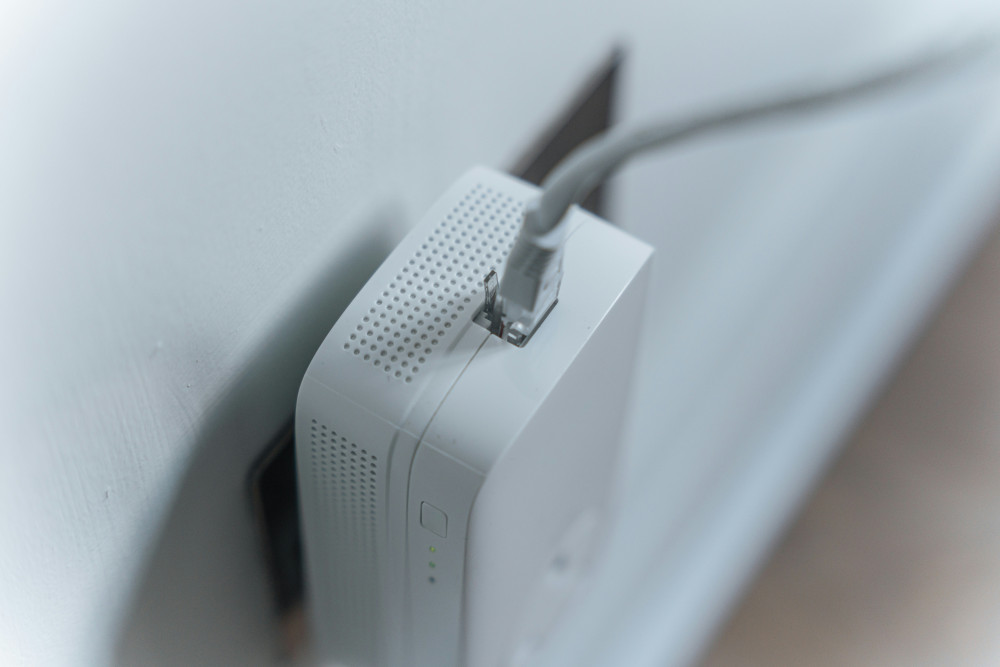
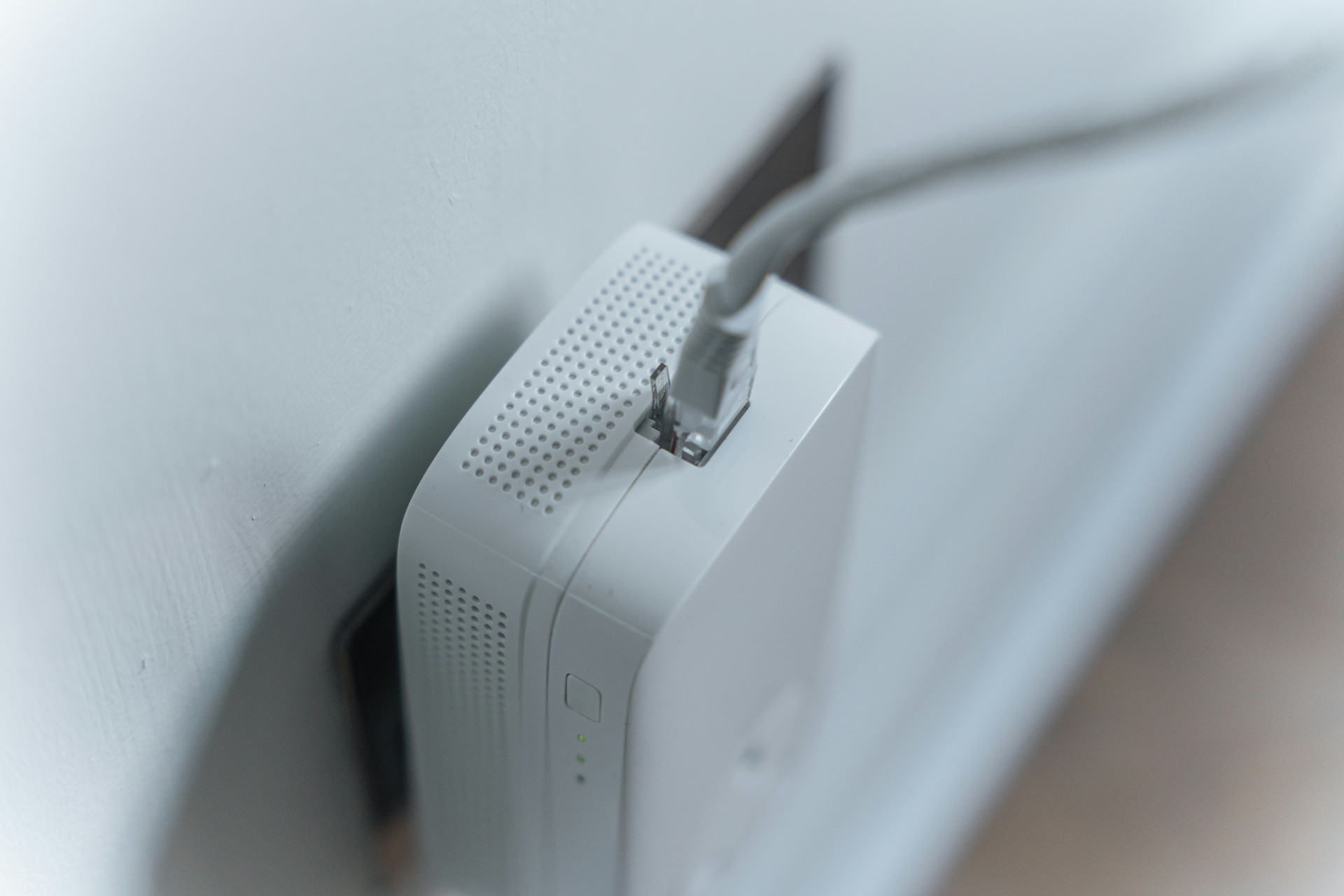
A powerline adapter kit typically includes two units: one that connects to your router via an Ethernet cable and plugs into a wall outlet, and another that plugs into an outlet in the room where you want internet access. The adapters communicate through your home’s electrical wiring, effectively creating a wired network without the need to run new cables through walls or ceilings.
Some models also include built-in Wi-Fi, allowing you to extend your wireless coverage to areas like a basement, garage, or upstairs bedroom. This makes them especially useful in homes where the router’s signal doesn’t reach far enough.
Benefits of Using Powerline Adapters
There are several reasons why powerline adapters have become popular among homeowners:
- Easy setup – Just plug the adapters into wall outlets and connect them to your router and device. Most models pair automatically.
- Stable connection – Because the signal travels through electrical wiring, it’s less affected by walls, distance, or interference than Wi-Fi.
- Flexibility – You can easily move an adapter to another room if your needs change.
- Complementary to Wi-Fi – Many people use powerline adapters alongside Wi-Fi to ensure full coverage without sacrificing speed.
When Are They a Good Solution?
Powerline adapters are particularly useful in homes where Wi-Fi signals struggle to penetrate. This can happen in older houses with thick plaster or brick walls, multi-story homes, or areas with heavy wireless interference from neighboring networks.
They’re also a great option for stationary devices that benefit from a wired connection—such as gaming consoles, smart TVs, or desktop computers—especially when running Ethernet cables isn’t practical.
Læs også:

What to Watch Out For
While powerline adapters are convenient, a few factors can affect their performance:
- Quality of electrical wiring – Older or complex wiring systems may reduce speed or reliability.
- Different electrical circuits – Adapters work best when plugged into outlets on the same circuit or phase.
- Electrical noise – Some appliances, like microwaves or vacuum cleaners, can cause interference.
- Placement – Avoid plugging adapters into power strips or surge protectors, as these can weaken the signal. Plug them directly into wall outlets instead.
It’s often worth testing a few outlets to find the best performance.
Choosing the Right Model
The U.S. market offers a wide range of powerline adapters, with prices varying by speed and features. When choosing one, consider the following:
- Speed rating – Pick a model that matches your internet plan. Modern adapters can handle hundreds of megabits per second or more.
- Number of Ethernet ports – If you plan to connect multiple devices, look for an adapter with two or more ports.
- Wi-Fi capability – Choose a model with built-in Wi-Fi if you want to boost wireless coverage in a specific area.
- Compatibility – Most adapters follow the HomePlug AV standard and can work together, but sticking with the same brand can simplify setup.
A Practical Alternative to Cables and Weak Wi-Fi
Powerline adapters aren’t a magic fix, but they can be an effective and affordable alternative to running Ethernet cables or investing in an expensive mesh system. For many households, they make it possible to stream movies, play online games, or work from home without dropouts—even in rooms where Wi-Fi used to be unreliable.
With quick installation and minimal maintenance, powerline adapters let you expand your home network in minutes—right through your electrical outlets.
Læs også: