Has Your Wi-Fi Been Compromised? How to Spot the Warning Signs


Has Your Wi-Fi Been Compromised? How to Spot the Warning Signs
A fast and reliable Wi-Fi connection has become essential for everyday life — from remote work and streaming to managing smart home devices. But what if your network isn’t as private as you think? A compromised Wi-Fi network can mean that someone has gained unauthorized access to your connection, your data, or even your devices. Here’s how to recognize the warning signs — and what you can do to protect yourself.
What Does It Mean When Wi-Fi Is Compromised?
When your Wi-Fi is compromised, it means someone has connected to your wireless network without your permission. This could be a neighbor “borrowing” your internet or a hacker trying to intercept personal information or install malicious software on your devices.
While it might sound rare, it happens more often than many realize. Weak passwords, outdated routers, and missed firmware updates make it easier for intruders to break in.
Common Signs Something’s Wrong
There are several red flags that may indicate your Wi-Fi has been compromised. Here are some of the most common:
- Sudden slowdowns – If your internet speed drops dramatically for no clear reason, someone else might be using your bandwidth.
- Unknown devices on your network – Most routers let you view a list of connected devices. If you see names or MAC addresses you don’t recognize, that’s a warning sign.
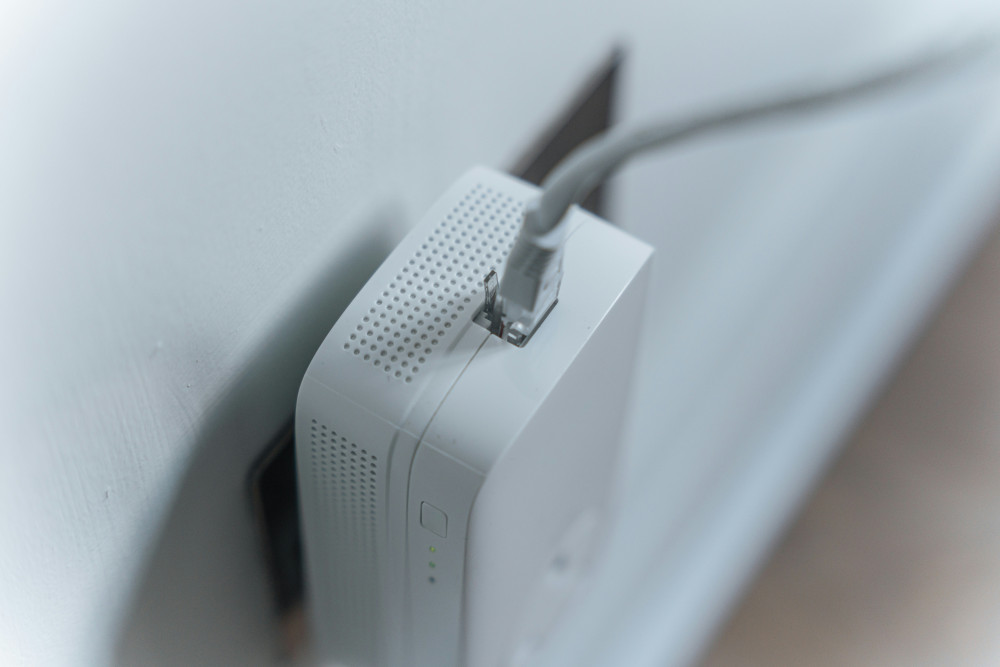
- Constantly blinking router lights – If your router’s activity lights flash even when you’re not using the internet, data may be transferring in the background.
- Changed settings – If your network name (SSID) or password has been altered without your input, someone may have accessed your router’s control panel.
- Pop-ups or strange behavior on devices – Unexpected ads, redirects, or unfamiliar apps could mean your connection has been tampered with.
Læs også:

How to Check If Someone’s Using Your Network
Start by logging into your router’s admin page. You can usually find the address on a sticker on the router itself (often something like 192.168.0.1). Once logged in, look for a list of connected devices. Compare it to the devices you own — phones, laptops, tablets, smart TVs, printers, and so on.
If you spot unfamiliar devices:
- Disconnect all your devices and see if the unknown ones remain connected.
- Change your Wi-Fi password immediately.
- Restart your router and update its firmware to the latest version.
You can also use network monitoring apps or software to track traffic and detect suspicious activity.
How to Protect Your Wi-Fi from Future Attacks
Prevention is the best defense. Here are some simple but effective steps:
- Use a strong password – At least 12 characters long, mixing letters, numbers, and symbols. Avoid default or easy-to-guess passwords like “password123.”
- Keep your router’s firmware updated – Manufacturers release updates to patch security vulnerabilities.
- Change your network name (SSID) – Don’t use one that reveals your router’s brand or model.
- Set up a guest network – This keeps visitors from accessing your main devices.
- Disable remote management – Unless you specifically need it, turn off remote access to your router.
- Use WPA3 encryption – If your router supports it, this is the most secure Wi-Fi standard currently available.
When to Call in the Experts
If you suspect your network has been compromised and you can’t fix it yourself, contact your internet service provider (ISP) or a professional IT technician. They can help reset your router, check for malware, and ensure your connection is secure again.
In serious cases — such as suspected identity theft or financial fraud — you should also contact your bank and consider filing a report with local law enforcement or the Federal Trade Commission (FTC).
A Secure Network Starts with Awareness
Most Wi-Fi breaches don’t happen because of sophisticated hackers — they happen because of overlooked basics. By staying alert to the warning signs and taking a few proactive steps, you can keep your network safe and your data private.
A secure Wi-Fi connection isn’t just about speed — it’s about peace of mind.
Læs også: