When Games Go Global: Cross-Cultural Collaboration Shapes the Future of Game Development


When Games Go Global: Cross-Cultural Collaboration Shapes the Future of Game Development
The video game industry has become one of the most globally connected creative fields in the world. Developers, artists, writers, and composers now collaborate across continents to create experiences that resonate with players from Los Angeles to Seoul. This international exchange of ideas doesn’t just change how games are made—it’s redefining how we play, imagine, and connect with one another.
From Local Studios to Worldwide Productions
Two decades ago, most game development was regional. Japanese studios built games primarily for Asian markets, while American and European developers focused on their own audiences. Today, that model has evolved dramatically. Major titles like Assassin’s Creed, League of Legends, and Genshin Impact are produced by teams spread across the globe, each contributing unique expertise and cultural insight.
This shift is driven by both technology and a growing recognition that diversity fuels creativity. To reach millions of players worldwide, a game’s story, design, and tone must reflect multiple perspectives—and that’s only possible when the team behind it is equally diverse.
Cultural Diversity as a Creative Engine
When developers from different backgrounds collaborate, new ideas emerge. A Scandinavian approach to storytelling might blend with Japanese visual design, while American action mechanics meet African-inspired music and rhythm. The result is a creative fusion that feels both fresh and universal.
Modern games increasingly draw from global mythologies and traditions, not just Western ones. Titles like God of War: Ragnarök and Black Myth: Wukong show how cultural heritage can inspire global fascination when treated with respect and curiosity. These projects demonstrate that cultural exchange doesn’t dilute creativity—it deepens it.
Of course, cross-cultural collaboration also brings challenges. Differences in communication styles, work habits, and decision-making can lead to misunderstandings. To bridge these gaps, many studios invest in intercultural training and digital collaboration tools that help teams work smoothly across time zones and traditions.
Technology Connects the World
Cloud-based development platforms, high-speed internet, and advanced project management tools have made real-time global collaboration possible. A concept artist in Mexico can design characters while a programmer in Canada integrates them into the game, and a sound designer in South Korea adds the finishing touches.
The pandemic accelerated this transformation. As studios adapted to remote work, they discovered that distributed teams could be just as productive—if not more so—than traditional in-house setups. This shift has opened the door for a truly global workforce, where talent and creativity matter more than geography.
Players as Global Communities
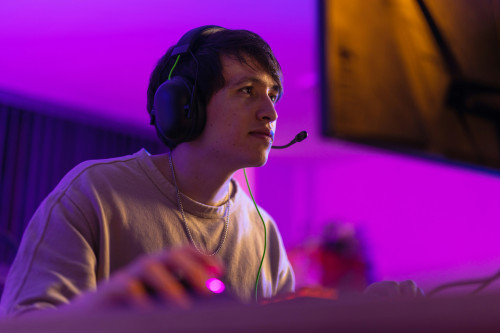
The globalization of game development is mirrored in the player community. Online games connect millions of people across languages and cultures. Players form teams, share strategies, and celebrate victories together—often without ever meeting in person.
These digital communities have turned gaming into a cultural bridge. Many young players learn English, teamwork, and cross-cultural communication through games. For them, gaming isn’t just entertainment—it’s a shared space where global friendships and understanding naturally grow.
The Future: Collaboration as the New Standard
As technology continues to evolve, cross-cultural collaboration will only become more essential. Artificial intelligence, virtual reality, and new forms of interactive storytelling demand teams that combine technical skill with cultural sensitivity and creative vision.
The games of the future won’t be the product of a single country or culture. They’ll be the result of global partnerships where ideas flow freely and differences become strengths. In this way, games will increasingly reflect the world we live in—complex, diverse, and interconnected.
Læs også:


A Global Culture in Motion
When games go global, they become mirrors of our shared humanity. They show how people can create something meaningful together despite distance, language, and tradition. Game development is no longer just a technical craft—it’s a cultural dialogue where creativity, technology, and empathy meet.
And perhaps that’s why games today are more than entertainment. They are stories of collaboration, curiosity, and collective imagination—created by many, for many.
Læs også: