Smart Energy Management: Gain Insight into Your Energy Habits and Reduce Your Electricity Consumption

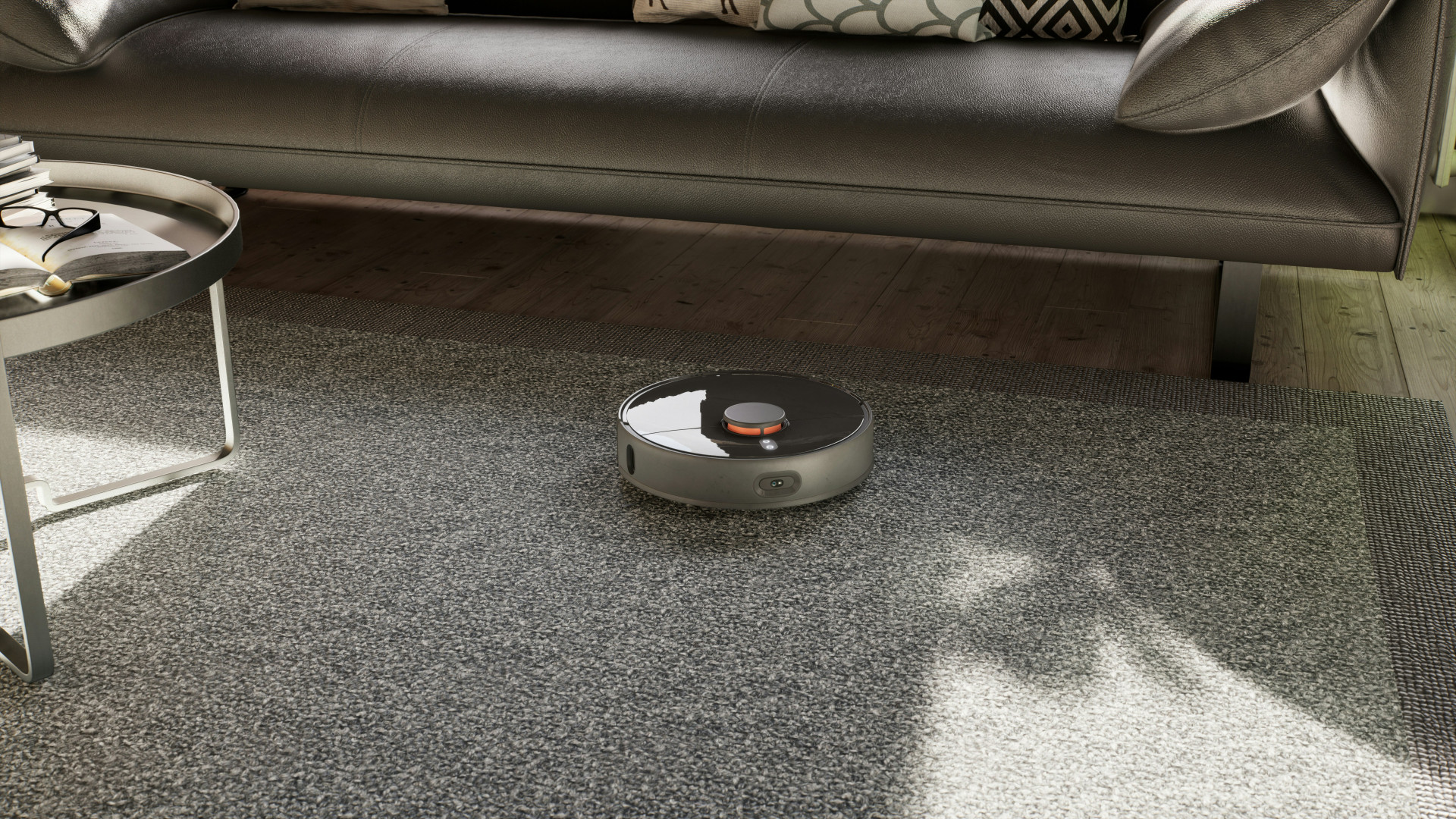
Smart Energy Management: Gain Insight into Your Energy Habits and Reduce Your Electricity Consumption
Electricity prices fluctuate, and our homes are becoming increasingly connected. That means we have more tools than ever to understand and manage our energy use—but also more devices drawing power. Smart energy management is about using technology to gain insight, save money, and reduce your environmental footprint. Here’s how you can start making your home more energy-efficient.
What Is Smart Energy Management?
Smart energy management refers to systems and solutions that automatically monitor and regulate your energy consumption. This can include everything from smart thermostats and energy monitors to apps that show when electricity is cheapest or when your usage peaks.
The goal is to help you understand how and when you use energy—and to shift that usage to times when it’s more affordable and sustainable. Many systems can also adjust heating, lighting, and appliances automatically, so you never use more electricity than necessary.
Get a Clear Picture of Your Energy Use
The first step toward smarter energy use is understanding your baseline. Most U.S. utility companies now offer online dashboards or mobile apps that let you track your electricity consumption by the hour. This gives you a clear picture of when you use the most power—and where you can make improvements.
You can also invest in a smart meter or home energy monitor that connects directly to your electrical panel. These devices show real-time data and can often identify which appliances consume the most energy. That makes it easier to spot hidden energy drains around your home.
Læs også:
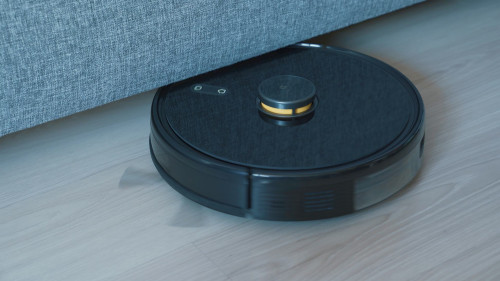
Automate Your Daily Routine
Once you know your energy patterns, you can start automating. For example:
- Smart thermostats automatically adjust the temperature based on your schedule and can lower heating or cooling when you’re away or asleep.
- Smart lighting turns off when you leave a room or dims according to natural daylight.
- Smart appliances—such as washers, dryers, and dishwashers—can be scheduled to run during off-peak hours.
- Smart plugs let you control devices remotely or set timers to cut power when not in use.
By letting technology handle small adjustments, you can save both time and energy—without sacrificing comfort.
Use Electricity When It’s Cheapest
In many parts of the U.S., electricity rates vary throughout the day depending on demand. If your utility offers time-of-use pricing, you can save money by shifting energy-intensive activities—like laundry or EV charging—to off-peak hours, typically late at night or midday when renewable energy production is high.
Many smart home systems can automatically schedule appliances to run during these cheaper, greener hours. It’s good for your wallet and for the planet.
Combine with Renewable Energy
If you have solar panels, a heat pump, or an electric vehicle, smart energy management can help you make the most of your renewable energy. For instance, your system can direct excess solar power to charge your EV or heat water instead of sending it back to the grid.
This way, you maximize your own energy production and reduce your dependence on fluctuating electricity prices.
Small Changes, Big Impact
While technology can do a lot, energy savings also come from everyday habits. Small changes can make a big difference:
- Turn off devices completely instead of leaving them on standby.
- Lower your thermostat by one degree—it can cut heating costs by up to 5%.
- Switch to energy-efficient LED bulbs.
- Run full loads in your washer and dishwasher, and use lower temperature settings.
When you combine smart habits with smart technology, you get the best of both worlds: comfort, control, and savings.
A Step Toward a Greener Home
Smart energy management isn’t just for tech enthusiasts—it’s for anyone who wants a more sustainable and cost-effective home. With the right tools, you can gain insight into your energy habits, reduce your electricity consumption, and contribute to a cleaner future.
It’s not about using less technology—it’s about using it smarter.
Læs også: