Security in the Smart Home: Develop a Strategy That Balances Safety and Comfort


Security in the Smart Home: Develop a Strategy That Balances Safety and Comfort
The smart home promises convenience, efficiency, and control — from lighting and temperature to locks and cameras, everything can be managed from your smartphone. But with these benefits come new risks. Every device connected to the internet can become a potential entry point for cyber threats. That’s why building a smart home isn’t just about choosing the right gadgets; it’s about developing a strategy that balances safety and comfort.
When the Home Becomes Digital — and Vulnerable
A smart home is made up of devices that communicate through the internet: thermostats, cameras, voice assistants, doorbells, lights, and more. They make daily life easier, but they also collect data about your habits — when you’re home, how you move around, and what devices you use.
If that data falls into the wrong hands, it can lead to identity theft, stalking, or even physical break-ins. Digital security at home is not only a technical issue; it’s also about awareness and behavior.
Start with a Secure Foundation
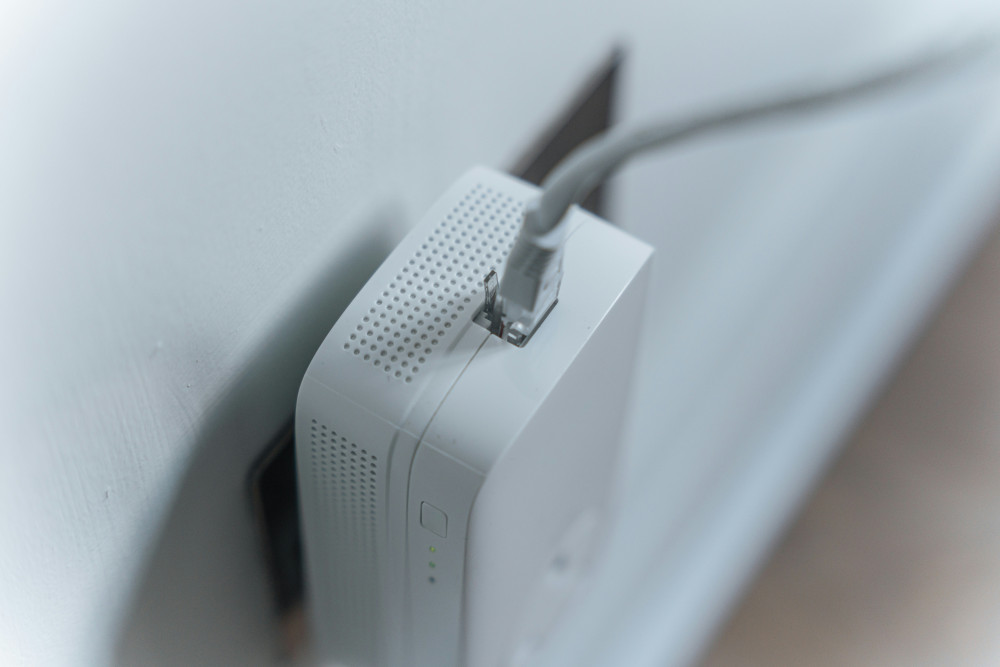
A strong security strategy begins with your network. The router is the heart of your smart home, and it needs to be protected.
- Change default passwords – many devices come with factory settings that hackers know. Use strong, unique passwords for each device.
- Keep firmware up to date – manufacturers release updates that fix known vulnerabilities.
- Create a separate network for your smart devices so they don’t share access with your personal computers or phones.
- Disable remote access if you don’t need it — fewer open doors mean fewer risks.
These simple steps can dramatically reduce your exposure and create a solid foundation for the rest of your system.
Know Your Devices — and Their Data
Before buying a new smart device, research how the manufacturer handles data. Read the privacy policy and check whether the company offers encryption and regular updates. Bargain devices from unknown brands may save money upfront but often lack proper security support.
Also, consider what features you truly need. Does your camera really need to be accessible from anywhere in the world, or is local access enough? The fewer external connections, the lower the risk.
Automate with Care
Automation is the heart of the smart home — but it requires careful setup. When you create routines that control lights, locks, and alarms automatically, make sure the system can’t be manipulated from outside.
Use multi-factor authentication whenever possible, and pay attention to how your devices interact. A misconfigured routine could mean that a simple voice command — like turning off the lights — accidentally unlocks the door or disables the alarm.
Balancing Security and Privacy
Many people associate safety with surveillance, but too much monitoring can feel invasive — for both residents and guests. A camera at the front door can provide peace of mind, but one in the living room might feel uncomfortable.
Decide where your boundaries lie. Consider cameras that only activate when you’re away or that blur images when certain people are detected. The goal is to create a home that feels secure, not watched.
Involve Everyone in the Household
Smart home security isn’t just a technical matter — it’s a shared responsibility. Make sure everyone in the household understands how the system works and what to watch out for. Children and guests should know the basic rules for using voice assistants, cameras, and passwords.
You might even create a simple checklist: who has access to what, and how to change codes if someone moves out or gets a new phone.
Læs også:


A Strategy That Evolves with Technology
Smart home technology evolves quickly, and your security strategy should evolve with it. Review your devices regularly, remove those you no longer use, and stay informed about new security features. It’s always easier to prevent a problem than to fix one after it happens.
Balancing safety and comfort ultimately comes down to awareness. A smart home should make life easier — not more complicated. With a thoughtful strategy, you can enjoy the benefits of connected living without compromising your security.
Læs også: