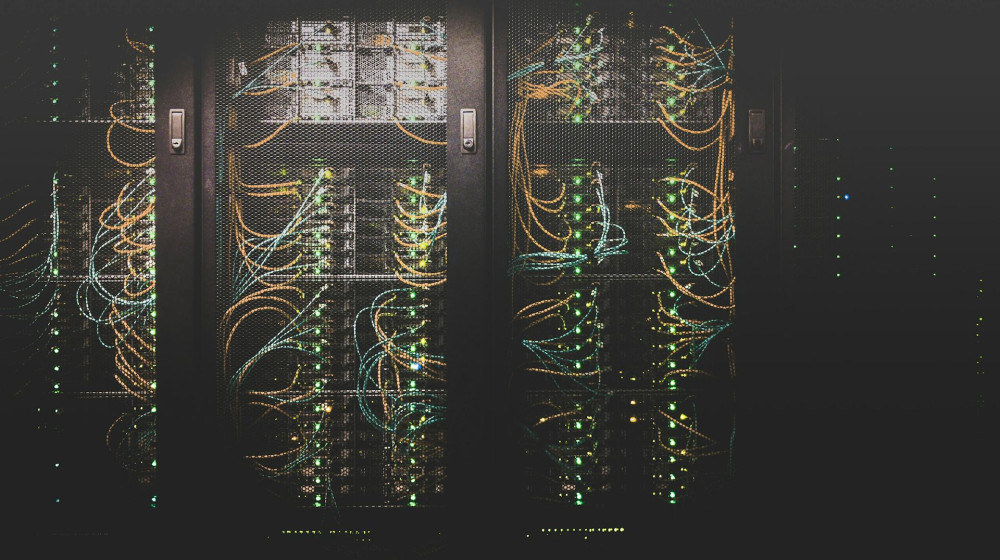
The IT Leader as a Bridge Builder: Balancing Technology and Business


The IT Leader as a Bridge Builder: Balancing Technology and Business
In an era where technology drives nearly every aspect of business, the role of the IT leader has evolved far beyond managing systems and infrastructure. Today’s IT leader is a strategic bridge builder—someone who connects technological potential with business goals. But how can one strike the right balance between innovation, operational stability, and business value?
From Technical Expert to Strategic Partner
Not long ago, IT was often viewed as a support function—essential, but not central to business strategy. That perception has changed dramatically. Digital transformation, data analytics, and automation now sit at the heart of growth and competitiveness. As a result, IT leaders in the U.S. are increasingly part of the executive conversation, shaping strategy rather than simply executing it.
The modern IT leader must speak both “tech” and “business.” It’s not enough to understand the technology; one must also articulate how it drives value—whether through new digital products, improved customer experiences, or more efficient operations. This dual fluency is what turns IT from a cost center into a growth engine.
Communication as the Key to Collaboration
One of the IT leader’s most critical responsibilities is bridging the communication gap between departments that often speak different languages. Developers may focus on architecture, APIs, and code, while business leaders think in terms of customers, revenue, and market share. Without translation, misalignment is inevitable.
Strong communication skills are therefore essential. The IT leader must explain complex technical concepts in ways that resonate with non-technical stakeholders—and ensure that the technology team understands the business objectives behind their work. This ability to translate between worlds is what makes the IT leader a true bridge builder.
Balancing Operations and Innovation
A perennial challenge for IT leaders is maintaining the balance between keeping systems running smoothly and driving innovation. Operations must be reliable, but the organization also needs to evolve to stay competitive.
Achieving this balance requires prioritization and courage. Too much focus on stability can stifle innovation, while too much experimentation can create chaos. The most effective IT leaders establish frameworks that allow for both—leveraging agile methodologies, DevOps practices, and close collaboration with business units to ensure that innovation happens in a controlled, value-driven way.
Data as a Common Language
Data has become one of the most powerful tools for bridging the gap between IT and business. When decisions are based on data rather than intuition, conversations become more objective and productive. The IT leader plays a central role in ensuring that data is accessible, reliable, and meaningful.
By building unified data platforms and implementing strong governance, IT leaders help organizations make better decisions and foster trust across departments. In this way, data becomes not just a technical asset, but a shared foundation for strategic alignment.
Leadership in the Digital Age
Being an IT leader today is as much about people as it is about technology. While tools and platforms evolve rapidly, it’s the people who bring them to life. Successful IT leaders inspire, motivate, and cultivate a culture of learning and collaboration.
Curiosity and adaptability are essential traits. Emerging technologies—artificial intelligence, automation, cloud computing, and cybersecurity—are constantly reshaping the business landscape. The IT leader who can see opportunities in these changes while keeping the organization’s goals in focus becomes an invaluable strategic partner.
Læs også:




The Bridge Builder as the Leader of the Future
The most successful organizations of the future will be those where technology and business move in harmony. The IT leader is the one who ensures that connection—building bridges, fostering understanding, and turning vision into reality.
Balancing technology and business is not a one-time achievement but an ongoing process. It demands insight, empathy, and strategic acumen. When the IT leader succeeds in uniting these two worlds, technology becomes more than a tool—it becomes a driving force for the organization’s growth and transformation.
Læs også: