Smarter Voices: How Artificial Intelligence Makes Your Assistants More Accurate and Personal


Smarter Voices: How Artificial Intelligence Makes Your Assistants More Accurate and Personal
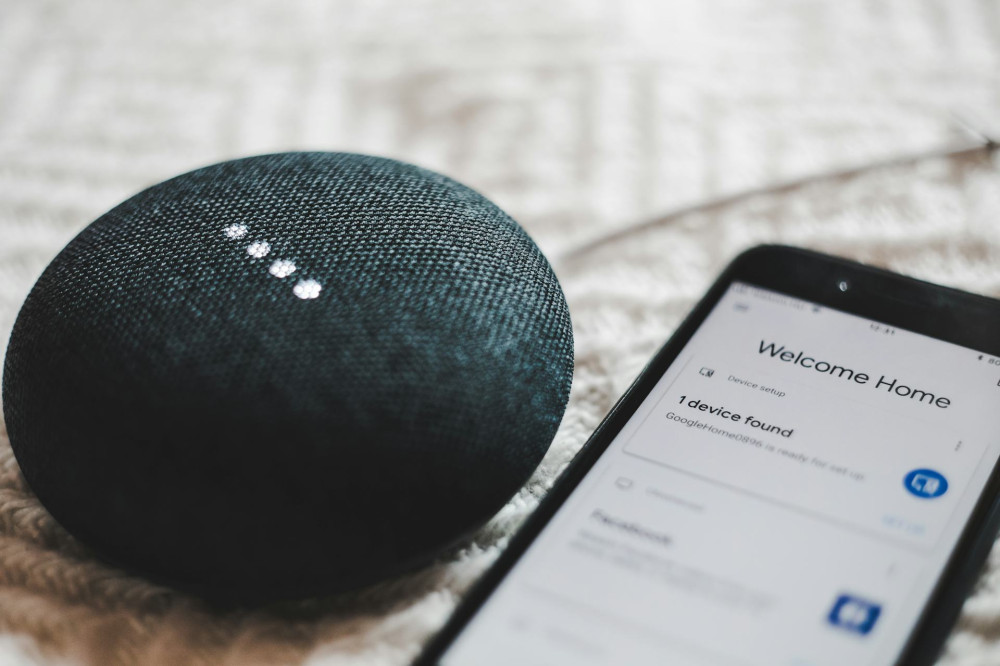
The digital voice assistants many Americans rely on every day—whether on a smartphone, smart speaker, or in the car—are getting smarter by the minute. Behind those friendly voices are advanced systems that learn from our speech, habits, and preferences. Artificial intelligence (AI) is the driving force that allows assistants like Siri, Alexa, and Google Assistant not only to answer questions but also to anticipate what you might need before you even ask.
From Simple Commands to Natural Conversations
The first voice assistants could only handle short, precise commands: “Play music,” “Call Mom,” “Set an alarm.” Today, you can have a nearly natural conversation with them. This leap forward is thanks to natural language processing (NLP)—a branch of AI that enables machines to understand and interpret human language.
By analyzing tone, context, and previous interactions, your assistant can now tell whether you’re saying “I’m cold” as a statement or as a subtle request to turn up the heat. The result is a smoother, more human-like experience.
Learning Through Data—With Privacy in Mind
AI assistants improve the more they learn about you. They notice when you usually wake up, what music you like, and which route you take to work. That knowledge helps them predict your needs—suggesting a faster route, reminding you of an appointment, or turning on the lights when you get home.
This personalization, however, depends on access to data. That’s why data security and privacy are central concerns. Most major tech companies now use local data processing and anonymization to ensure your information isn’t shared unnecessarily. As a user, you can adjust how much your assistant knows about you, striking a balance between convenience and control.
The Voice as a Home Interface
In many American homes, voice control has become second nature. You can ask your assistant to start the coffee maker, dim the lights, or vacuum the living room—all without lifting a finger.
AI makes it possible for the system to understand complex commands like “Turn off all the lights in the living room except the lamp by the couch.” That requires not just recognizing words but also understanding context and your previous preferences.
For many users, it’s this combination of intelligence and personalization that makes voice control more than a novelty—it becomes a tool that simplifies daily life.
Læs også:


Personality and Tone—The Next Step in Evolution
A growing trend in AI assistants is the development of personality. You can now choose between different voices, accents, and even moods. Some systems can adjust their tone depending on the situation—more formal at work, more relaxed at home.
Researchers are also working to make voices more empathetic. That means your assistant could respond to your emotional state: if you sound stressed, it might suggest a break or lower the volume. It’s a step toward more human-like interaction, where technology doesn’t just react but also understands.
The Future of Assistants—Invisible but Everywhere
In the near future, voice assistants will likely become even more integrated into our surroundings. They’ll be built into cars, appliances, and even wearable devices. You won’t need to say “Hey Siri” or “Alexa”—the system will automatically know when you’re addressing it.
At the same time, AI will become better at working across platforms. Your calendar, home, and car will “talk” to each other, creating a seamless experience. Imagine your assistant automatically adjusting your home’s temperature when you leave the office because it knows your usual schedule.
A Helper, Not a Replacement
Even as AI assistants grow more advanced, the goal isn’t to replace human interaction but to free up time and energy for what truly matters. When technology works best, it’s almost invisible—a quiet helper that makes everyday life a little easier.
Using voice assistants isn’t just about technology; it’s about human comfort. The better they understand us, the more naturally they become part of our daily routines.
Læs også: