New Standards for Usability: The Impact of Digitalization on Design


How digital transformation is redefining what it means to create user-friendly design
SaaS
SaaS
4 min
As technology evolves, so do our expectations of usability. This article explores how digitalization is reshaping design standards—where accessibility, data-driven insights, and ethical responsibility are becoming essential elements of modern user experiences.
Wyatt Evans
Wyatt
Evans

New Standards for Usability: The Impact of Digitalization on Design

How digital transformation is redefining what it means to create user-friendly design
SaaS
SaaS
4 min
As technology evolves, so do our expectations of usability. This article explores how digitalization is reshaping design standards—where accessibility, data-driven insights, and ethical responsibility are becoming essential elements of modern user experiences.
Wyatt Evans
Wyatt
Evans

Digitalization has rapidly transformed our expectations of how products, services, and websites should work. Where usability once meant clear menus and visible buttons, it now encompasses holistic experiences, accessibility, and personalization. Design is no longer just about aesthetics—it’s a strategic tool that shapes how we interact with the world around us.

From Function to Experience

As digital solutions have become embedded in everyday life, user expectations have risen dramatically. We expect everything to work intuitively—whether we’re ordering food through an app, managing our finances online, or accessing government services. A single confusing step, unclear message, or slow-loading page can be enough to make us give up.

That’s why modern design focuses not only on functionality but on the overall experience. It’s about creating flow, predictability, and confidence throughout the user journey. A good design doesn’t just solve a problem—it feels natural.

Data as the Driving Force of Design

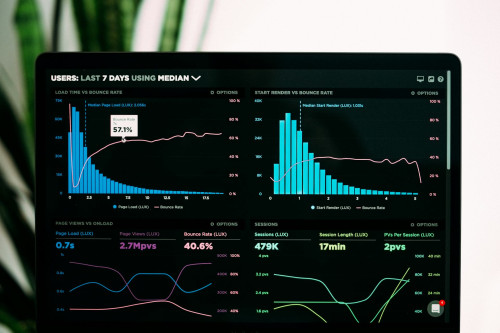
Digitalization has made it possible to collect vast amounts of data about user behavior. Every click, scroll, and search can be analyzed to understand how people actually use digital products. This insight has fundamentally changed how designers work.

Instead of guessing what users want, design decisions can now be based on concrete evidence. A/B testing, heatmaps, and user research provide a clear picture of what works—and what doesn’t. As a result, design has become an ongoing process of iteration and improvement rather than a one-time task.

Accessibility as a Standard

One of the most significant shifts in recent years is the focus on accessibility. What was once considered an optional add-on is now a core part of the design process.

Websites and apps must be usable by everyone, regardless of age, vision, mobility, or technical skill. That means clear contrasts, logical navigation, text alternatives for images, and the ability to navigate with a keyboard instead of a mouse. Accessibility isn’t just an ethical responsibility—it’s also good business, expanding the audience and strengthening brand credibility.

In the United States, accessibility standards such as the Web Content Accessibility Guidelines (WCAG) and Section 508 compliance have become essential benchmarks. Companies that prioritize inclusive design not only meet legal requirements but also demonstrate social responsibility and innovation.

Artificial Intelligence and Personalization

With the rise of artificial intelligence (AI), design has become more adaptive and responsive. Systems can now tailor experiences to individual users in real time—from personalized recommendations on streaming platforms to chatbots that understand natural language. This level of personalization makes digital interactions feel more relevant and efficient.

However, it also introduces new challenges. How can designers ensure that automated systems still feel human? How do we maintain transparency when algorithms make decisions on behalf of users? The future of usability isn’t just about convenience—it’s about trust.

Ethics and Responsibility in Digital Design

As design becomes more data-driven and personalized, ethical responsibility grows. Designers and developers must consider how data is collected, used, and protected—and how to avoid manipulative “dark patterns” that push users toward unwanted choices.

Transparency has become a key design principle. Users should understand what’s happening and why. Respect for the user means creating digital experiences built on trust, not control. In an era of data breaches and misinformation, ethical design is not just a moral stance—it’s a competitive advantage.

The Future of Usability

The impact of digitalization on design is far from over. Emerging technologies such as voice interfaces, augmented reality, and haptic feedback will continue to reshape how we interact with digital systems. Yet the core of usability will remain the same: understanding the human behind the screen.

Tomorrow’s designers must combine technical expertise with empathy. They must translate complex systems into simple, meaningful experiences—and create solutions that don’t just work, but feel right.

Learning in Your Pocket: Mobile Solutions That Empower Your Growth
Discover how mobile technology is transforming the way we learn and grow every day
SaaS
SaaS
Mobile Learning
Digital Education
Lifelong Learning
E-Learning
Personal Development
5 min
Explore how mobile apps, podcasts, and digital platforms are making learning more flexible, personal, and accessible than ever before. Whether you’re developing new skills or pursuing lifelong learning, your smartphone can be your most powerful educational tool.
Ariana Lewis
Ariana
Lewis
New Standards for Usability: The Impact of Digitalization on Design
How digital transformation is redefining what it means to create user-friendly design
SaaS
SaaS
Usability
Digitalization
User Experience
Design Trends
Accessibility
4 min
As technology evolves, so do our expectations of usability. This article explores how digitalization is reshaping design standards—where accessibility, data-driven insights, and ethical responsibility are becoming essential elements of modern user experiences.
Wyatt Evans
Wyatt
Evans
Data Analysis as a Driving Force: Why It’s Becoming Essential in Modern Apps
How data analysis is transforming app development and shaping user experiences
SaaS
SaaS
Data Analysis
App Development
Artificial Intelligence
User Experience
Technology Trends
2 min
Modern apps thrive on data—but it’s the analysis behind that data that drives innovation. Discover how data analysis empowers developers to make smarter decisions, deliver personalized experiences, and stay ahead in a rapidly evolving digital landscape.
Elias Carter
Elias
Carter
SaaS and Digital Inclusion: When Advanced Tools Become Accessible to Everyone
How cloud-based software is breaking barriers and empowering users everywhere
SaaS
SaaS
SaaS
Digital Inclusion
Cloud Computing
Innovation
Accessibility
7 min
Discover how Software as a Service (SaaS) is transforming access to digital tools, making powerful technologies available to individuals, small businesses, and communities worldwide. Learn how this shift fosters digital inclusion, innovation, and equal opportunities in an increasingly connected world.
Violet Hernandez
Violet
Hernandez
Digital Sovereignty: Take Real Control of Your Data and Digital Choices
Understand what digital sovereignty means and how to reclaim control over your online presence
SaaS
SaaS
Digital Sovereignty
Data Privacy
Online Security
Digital Awareness
Personal Data
3 min
Discover how to take charge of your personal data and digital choices in an increasingly connected world. Learn what digital sovereignty is, why it matters, and how you can protect your privacy through informed decisions, responsible habits, and awareness of digital policies.
Reid Turner
Reid
Turner
Greener Homes with Smart Appliances: How Energy Management Contributes to a More Sustainable Environment
Discover how smart technology is reshaping modern living and paving the way for more energy-efficient homes.
Technology
Technology
Smart Home
Energy Efficiency
Sustainability
Green Living
Technology
2 min
Smart appliances are revolutionizing home life by combining convenience with sustainability. Learn how intelligent energy management systems help reduce power consumption, lower costs, and support a cleaner environment—one household at a time.
Ariana Lewis
Ariana
Lewis
Digital Health in Everyday Life – Easier Access to Knowledge and Online Guidance
How digital tools are transforming the way we manage our health and access care
Technology
Technology
Digital Health
Technology
Well-being
Online Healthcare
Data Security
5 min
From fitness trackers to online consultations, digital health is reshaping everyday life. Discover how technology makes healthcare more accessible, supports personal well-being, and raises new questions about data security and trust.
Wyatt Evans
Wyatt
Evans
Automation in the Service Industry: How Technology Enhances Customer Service and Operations
Discover how automation is reshaping the service industry and redefining the customer experience
Technology
Technology
Automation
Service Industry
Customer Experience
Technology
Innovation
7 min
From chatbots and self-service kiosks to data-driven decision-making, automation is transforming how service businesses operate and interact with customers. Learn how technology enhances efficiency, improves satisfaction, and creates new opportunities for employees and companies alike.
Elias Carter
Elias
Carter