From Complex to User-Friendly: The Role of Operating Systems in Technological Accessibility


How operating systems transformed technology from expert-only tools to everyday essentials
Units
Units
3 min
Discover how the evolution of operating systems has turned complex computing into an accessible experience for all. From early command lines to intuitive mobile interfaces and AI-driven design, explore the innovations that made technology user-friendly and inclusive.
Reid Turner
Reid
Turner

From Complex to User-Friendly: The Role of Operating Systems in Technological Accessibility

How operating systems transformed technology from expert-only tools to everyday essentials
Units
Units
3 min
Discover how the evolution of operating systems has turned complex computing into an accessible experience for all. From early command lines to intuitive mobile interfaces and AI-driven design, explore the innovations that made technology user-friendly and inclusive.
Reid Turner
Reid
Turner

A few decades ago, computers were tools for specialists. Using one required technical knowledge, patience, and often a command of programming languages or text-based interfaces. Today, most people can unlock a smartphone, install an app, or share a photo in seconds. This transformation is largely due to the evolution of operating systems—from complex, engineer-oriented platforms to intuitive, user-friendly environments. But how did this shift happen, and why has it been so crucial in making technology accessible to everyone?

From Machine Code to Graphical Interfaces

The earliest operating systems were designed to manage hardware resources, not to simplify life for users. In the 1950s and 60s, interaction with computers happened through lines of code and command prompts, understood only by a small group of experts. That began to change in the 1980s with the rise of graphical user interfaces. Icons, windows, and the mouse made it possible to interact with computers visually rather than textually.

This shift marked a turning point: computers became tools not just for engineers, but for everyday people. Operating systems like Microsoft Windows and Apple’s macOS set new standards for usability, transforming technology from a challenge into an enabler.

The Mobile Revolution and Intuitive Interaction

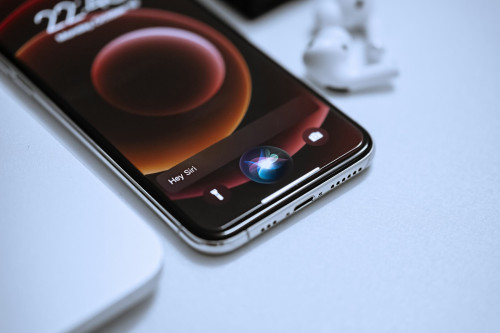
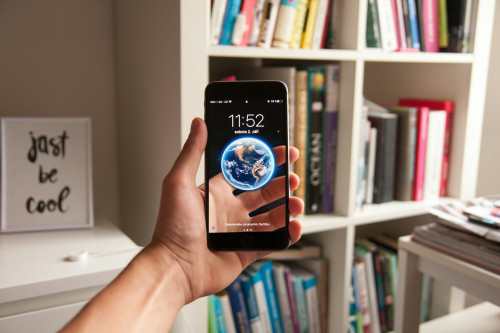
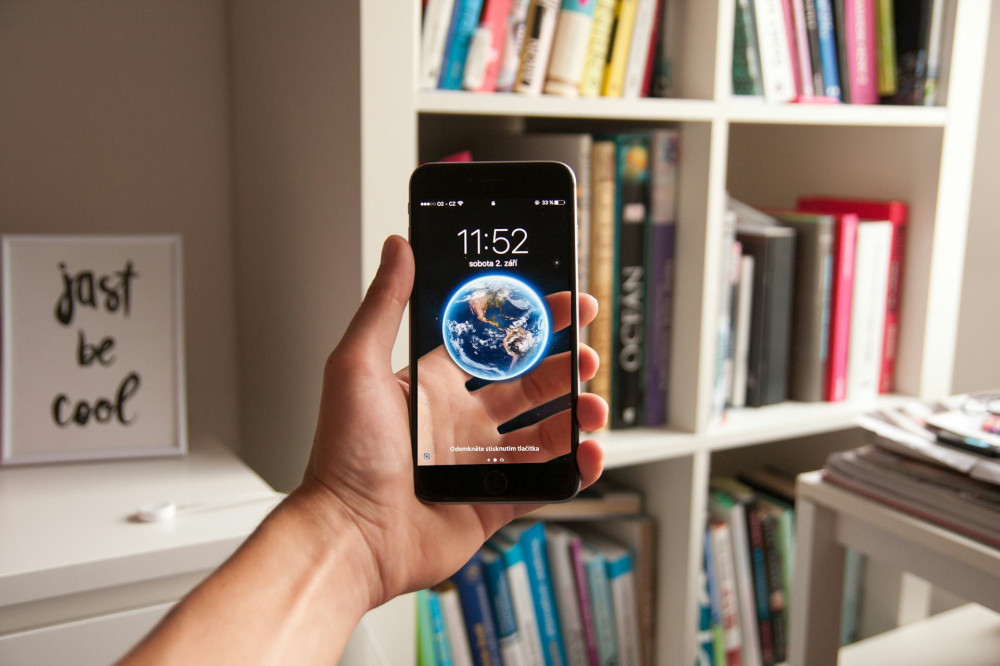
When smartphones took off in the late 2000s, user experience became a defining factor. Mobile operating systems such as iOS and Android allowed people to control powerful devices with simple gestures. Suddenly, anyone could send emails, take photos, navigate with GPS, or stream music—without needing to understand the complex processes happening behind the screen.

This revolution dramatically expanded technological accessibility. Where computers once demanded that users adapt to them, operating systems now adapt to users. They anticipate needs, suggest actions, and integrate services across devices. In doing so, they have democratized technology, giving more people access to digital tools and opportunities.

Accessibility as a Design Principle

Today, user-friendliness goes beyond aesthetics and ease of navigation—it’s about inclusion. Modern operating systems include built-in accessibility features that empower people with visual, hearing, or mobility impairments to use digital devices independently. Screen readers, voice control, magnification tools, and high-contrast modes are no longer niche add-ons; they are integral parts of the system.

This evolution reflects a broader cultural shift: technological accessibility is now seen as both a social and ethical responsibility. When operating systems are designed with diversity in mind, technology becomes not only easier to use but also more equitable.

Artificial Intelligence and the Next Frontier

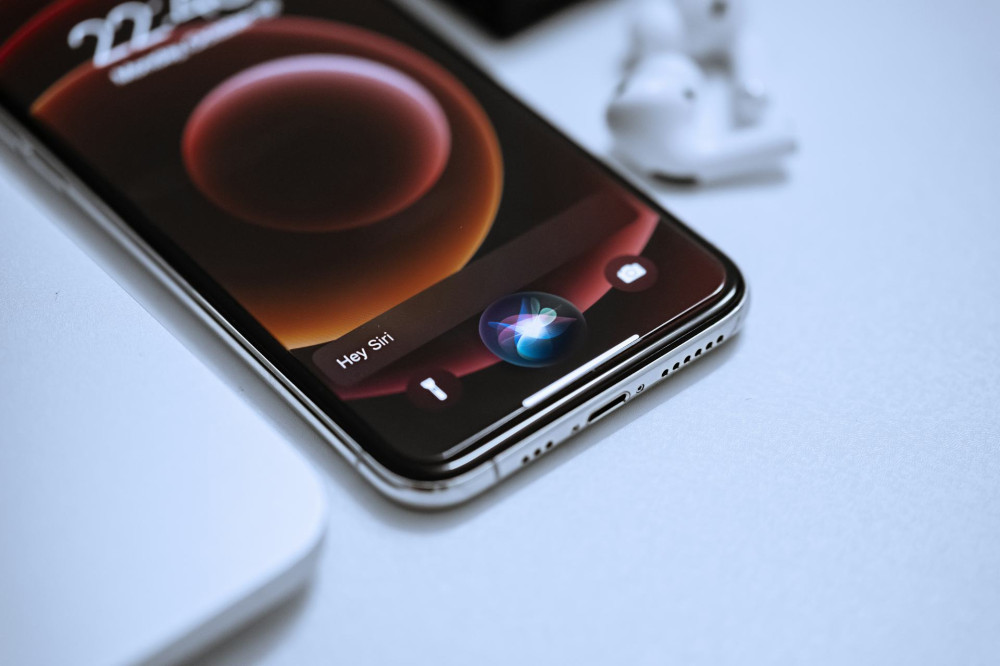
With the rise of artificial intelligence, operating systems are entering a new era. Instead of merely responding to commands, they are beginning to understand context and intent. Digital assistants can schedule meetings, compose messages, and adjust settings automatically. These capabilities make technology even more accessible—but they also raise questions about privacy, control, and dependency.

The challenge ahead will be finding the right balance between assistance and autonomy. An operating system should empower the user, not take over. Transparency and personalization will therefore be key values in the next generation of system design.

From Tool to Everyday Companion

The story of operating systems is the story of how technology has evolved from a specialized tool into an essential part of daily life. They have enabled us to work, communicate, learn, and create in ways that were once unimaginable.

When we open a laptop or tap a phone screen today, we rarely think about the complexity hidden beneath the surface. Yet that is precisely the greatest achievement of modern operating systems: turning the complex into the simple—and making technology feel human.

Guest Networks at Home: Security and Structure in Your Internet Connection
Keep your home network safe and organized with a dedicated guest Wi-Fi
Units
Units
Home Network
Cybersecurity
Wi-Fi
Internet Safety
Smart Home
3 min
Learn how setting up a guest network can protect your personal data, simplify device management, and give visitors secure internet access. Discover the benefits, setup steps, and best practices for a safer digital home.
Ariana Lewis
Ariana
Lewis
Train Smarter: Accessories That Make It Easier to Use Your Devices During Workouts
Discover the gear that keeps your tech in place and your focus on the workout
Units
Units
Fitness Accessories
Workout Gear
Technology
Smart Devices
Training Tips
2 min
From sweat-proof armbands to wireless earbuds and smartwatches, the right accessories can make your workouts smoother and more enjoyable. Explore the best tools to help you stay connected, safe, and motivated while training.
Wyatt Evans
Wyatt
Evans
Double Protection: Combine Cloud Storage with Physical Backup
Keep your digital life safe by pairing online convenience with offline reliability
Units
Units
Data Security
Cloud Storage
Backup Solutions
Digital Safety
Small Business
4 min
Relying on the cloud alone can leave your data vulnerable. Learn how combining cloud storage with a physical backup gives you double protection against loss, ensuring your files stay secure no matter what happens.
Elias Carter
Elias
Carter
Use Your Browser’s Security Settings to Protect Your Personal Data
Take control of your online privacy with simple browser security adjustments
Units
Units
Online Privacy
Cybersecurity
Web Browsers
Data Protection
Internet Safety
7 min
Every click and search leaves a digital footprint, but your browser’s built‑in security tools can help you stay safe. Learn how to fine‑tune settings, manage cookies, and strengthen your defenses to keep your personal data private.
Violet Hernandez
Violet
Hernandez
From Complex to User-Friendly: The Role of Operating Systems in Technological Accessibility
How operating systems transformed technology from expert-only tools to everyday essentials
Units
Units
Operating Systems
Technology
Accessibility
User Experience
Innovation
3 min
Discover how the evolution of operating systems has turned complex computing into an accessible experience for all. From early command lines to intuitive mobile interfaces and AI-driven design, explore the innovations that made technology user-friendly and inclusive.
Reid Turner
Reid
Turner
Greener Homes with Smart Appliances: How Energy Management Contributes to a More Sustainable Environment
Discover how smart technology is reshaping modern living and paving the way for more energy-efficient homes.
Technology
Technology
Smart Home
Energy Efficiency
Sustainability
Green Living
Technology
2 min
Smart appliances are revolutionizing home life by combining convenience with sustainability. Learn how intelligent energy management systems help reduce power consumption, lower costs, and support a cleaner environment—one household at a time.
Ariana Lewis
Ariana
Lewis
Digital Health in Everyday Life – Easier Access to Knowledge and Online Guidance
How digital tools are transforming the way we manage our health and access care
Technology
Technology
Digital Health
Technology
Well-being
Online Healthcare
Data Security
5 min
From fitness trackers to online consultations, digital health is reshaping everyday life. Discover how technology makes healthcare more accessible, supports personal well-being, and raises new questions about data security and trust.
Wyatt Evans
Wyatt
Evans
Automation in the Service Industry: How Technology Enhances Customer Service and Operations
Discover how automation is reshaping the service industry and redefining the customer experience
Technology
Technology
Automation
Service Industry
Customer Experience
Technology
Innovation
7 min
From chatbots and self-service kiosks to data-driven decision-making, automation is transforming how service businesses operate and interact with customers. Learn how technology enhances efficiency, improves satisfaction, and creates new opportunities for employees and companies alike.
Elias Carter
Elias
Carter